





9.2
1309 reviews in the last 12 months
97% recommends us

Blog article
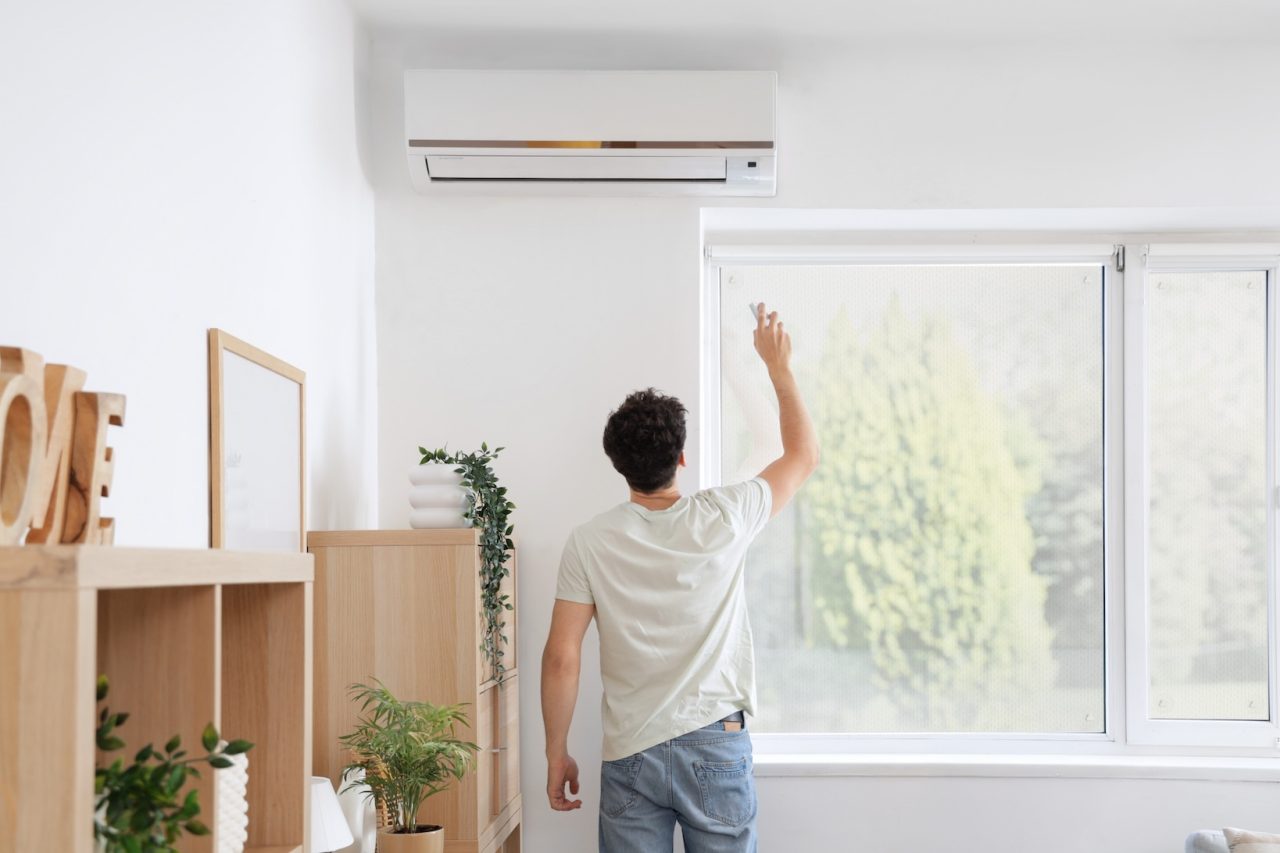
On hot summer days, air conditioning is often the first thing that comes to mind. But AC consumes a lot of energy, is expensive to install, and doesn’t actually solve the root problem, it cools air that has already been heated by the sun. What if you stop the heat before it even enters your home? With sun shading screens, that’s exactly what you do, and you can save up to €135 per year on your energy bill.
9 out of 5.510 positive reviews
Air conditioning cools the air in your room, but it doesn’t address the root cause of the heat. As long as sunlight continues to enter through your windows, your AC has to work hard to compensate. That consumes energy, and you’ll see it on your bill.
A typical portable AC unit uses around 1,000 to 1,500 watts per hour. On a hot day, that can add up to 5 to 8 kWh, which equals roughly €1.50 to €3 per day in electricity costs.
Sun shading screens tackle the problem at the source. They block sunlight before it reaches your window, preventing your home from heating up in the first place. It’s the difference between putting out a fire (AC) and preventing it (screens).
Both solutions help keep your home cool, but in fundamentally different ways. Below are the key differences.
| AC (portable or split) | Sun shading screens (suction cups) | |
|---|---|---|
| How does it work? | Cools air that has already been heated |
Blocks sunlight before it reaches the glass |
| Effectiveness | Room cools down, but heat source remains |
Up to 97% of solar heat blocked (outdoor installation) |
| Energy consumption 1,000–1,500 watts per hour None (passive system) | 1,000–1,500 watts per hour | None (passive system) |
| Purchase cost | Portable: €200–€600. Split: €1,000+ | 10–15x cheaper than electric screens |
| Annual costs | €150–€400 electricity per summer | None (one-time purchase, reusable) |
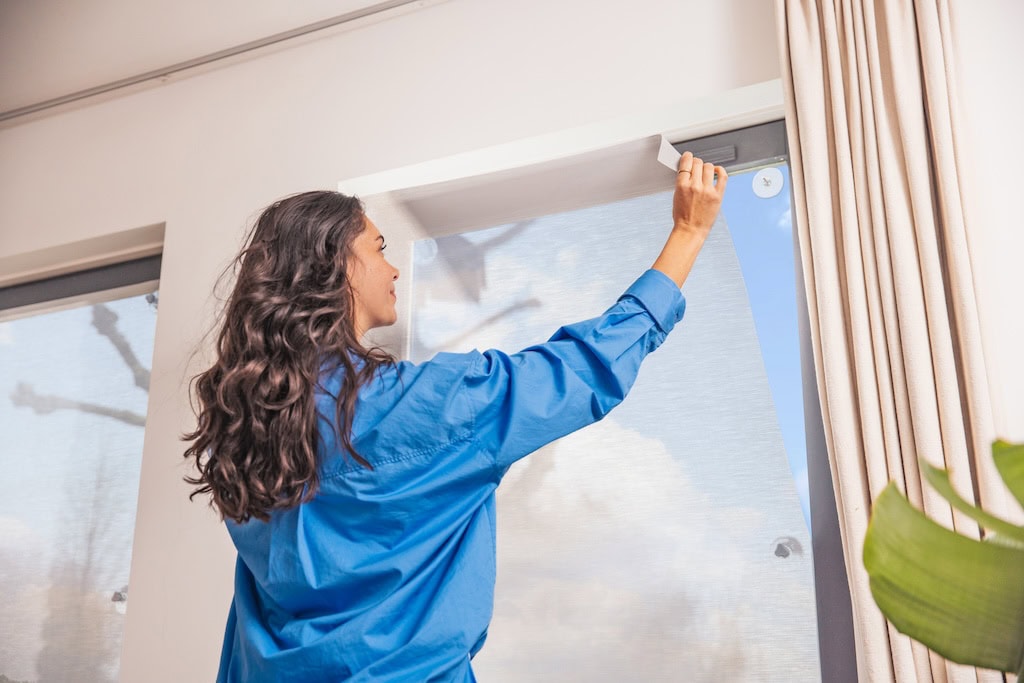
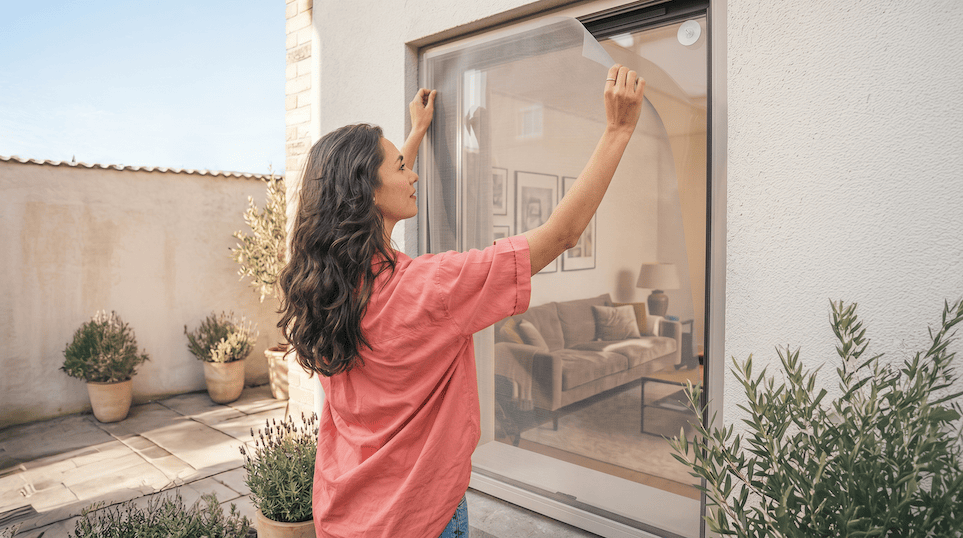
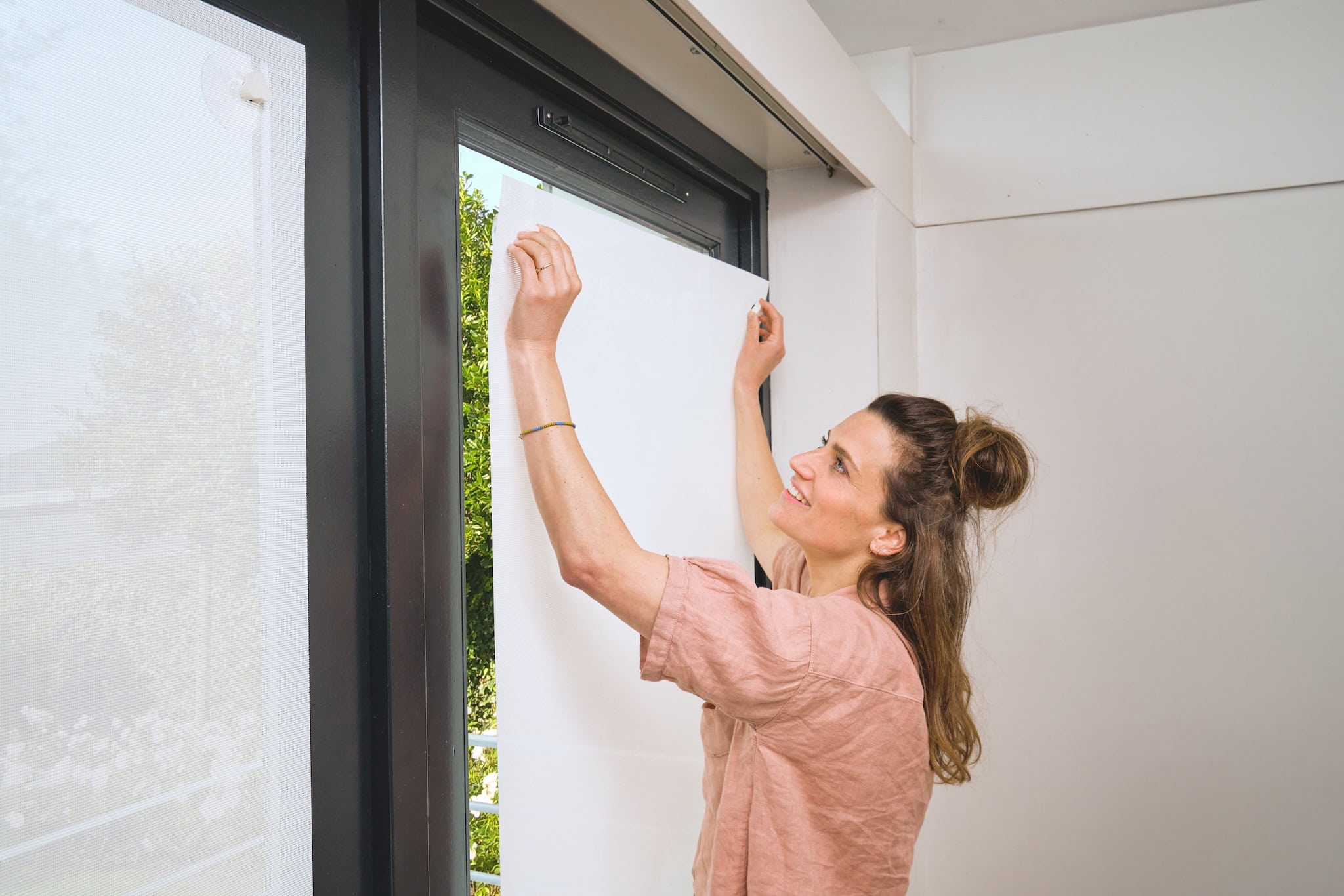
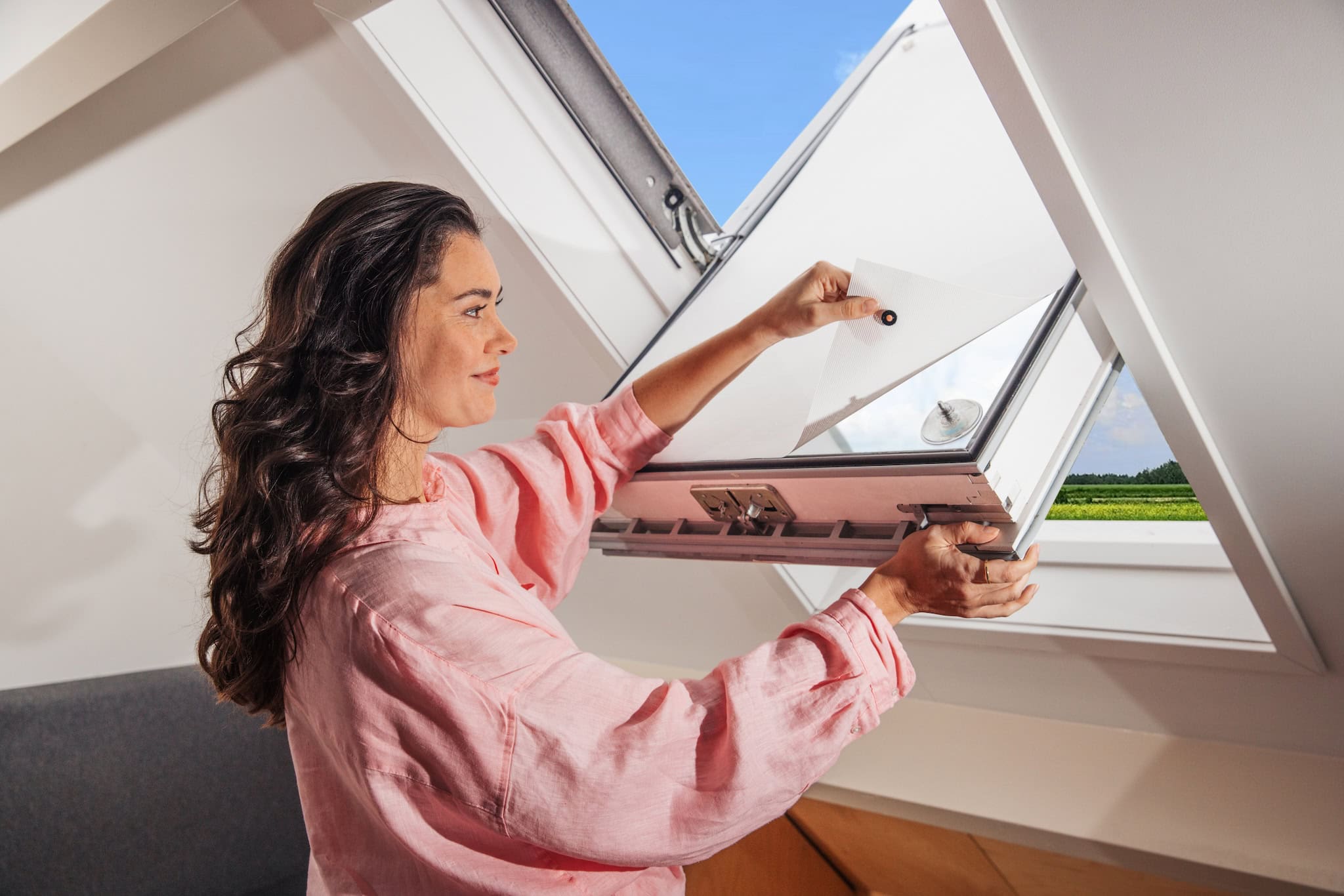
| Installation | Portable: hose through window. Split: professional required | DIY, in 15 minutes, no drilling |
| Noise | 45–65 dB (noticeable, especially at night) | Silent (no moving parts) |
| Suitable for rental homes? | Portable: yes. Split: usually not | Yes (suction cups, no drilling) |
| Environmental impact | Refrigerants + high energy use | None (passive, reusable material) |
| Can be combined? | Yes, screens reduce AC load | Yes, AC as support on very hot days |
The conclusion? Screens and AC aren’t competitors, they complement each other. Screens keep the majority of heat out, while an AC unit can handle the rest on the hottest days. By using screens, your AC doesn’t have to work as hard, helping you save on energy costs.
By installing sun shading screens, you significantly reduce the heat load on your AC. The result: your AC runs fewer hours and at a lower power level. In practice, households with screens save up to €135 per year on their energy bills, simply due to reduced AC usage.
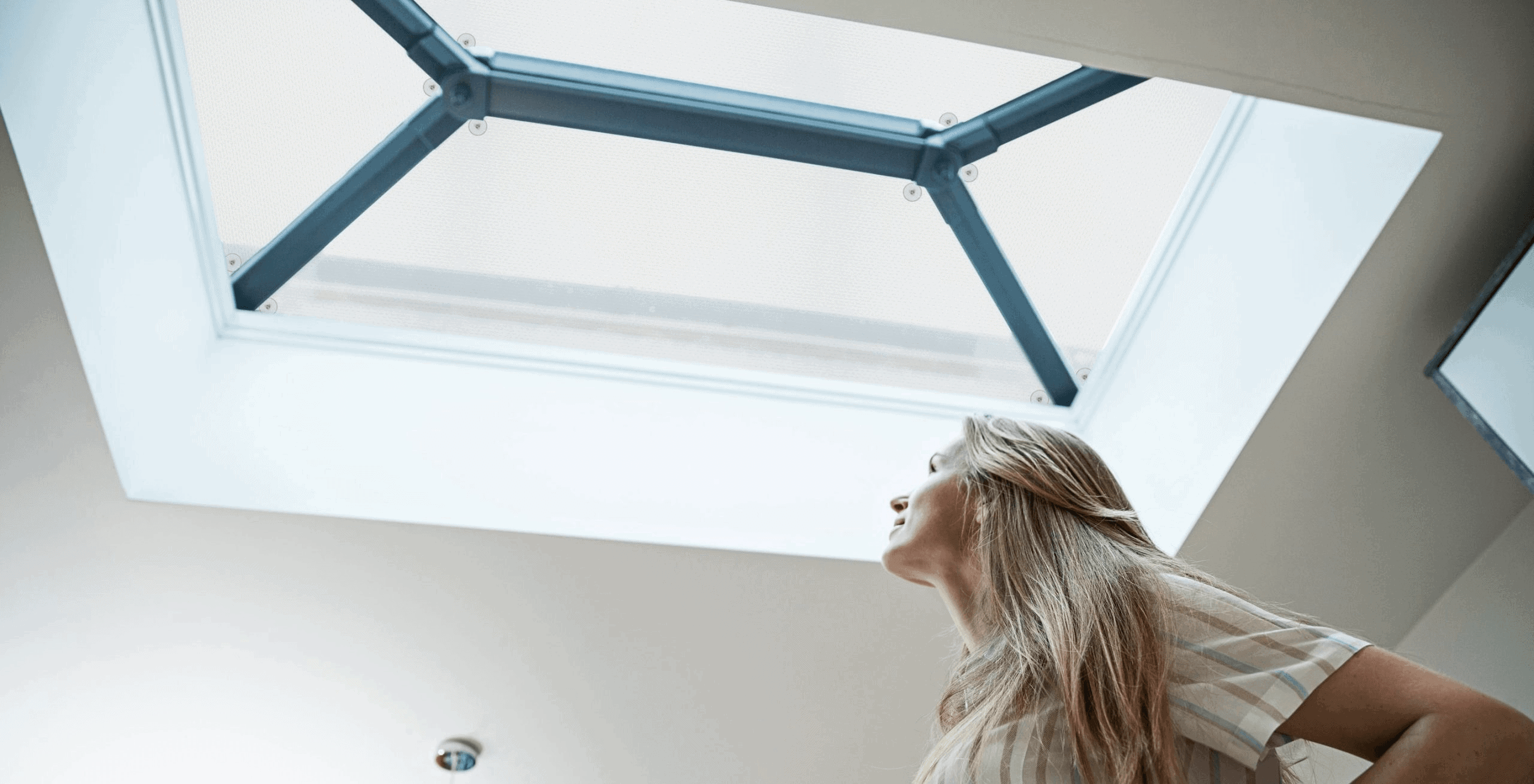
These savings are highest in homes with large window surfaces, such as sliding doors, extensions with skylights, or rooms facing south or west. Exactly the areas where an AC typically works the hardest.
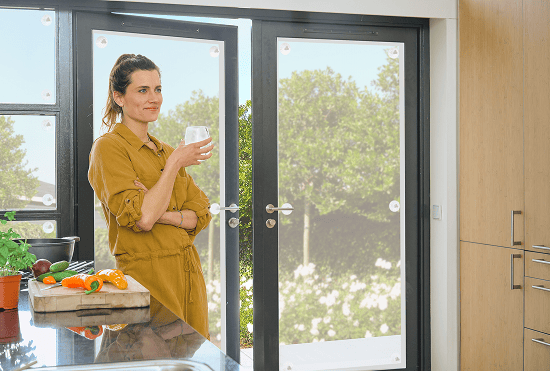

If you have solar panels, using an AC during the day may seem “free”, your panels generate electricity, and your AC uses it. But the real issue shifts to the evening and night. Once the sun goes down, your panels stop producing energy, while the heat built up in your home still keeps your AC running. At that point, you’re using expensive grid electricity.
By keeping the heat out during the day with screens, your home heats up far less. The result: in the evening and at night, your AC hardly needs to run, or not at all. This means you save on the most expensive electricity: grid power.
Tip: smart combination
The most energy-efficient strategy is: screens during the day + AC only as backup on extremely hot days. This way, you maximize your solar energy usage and minimize reliance on the grid.
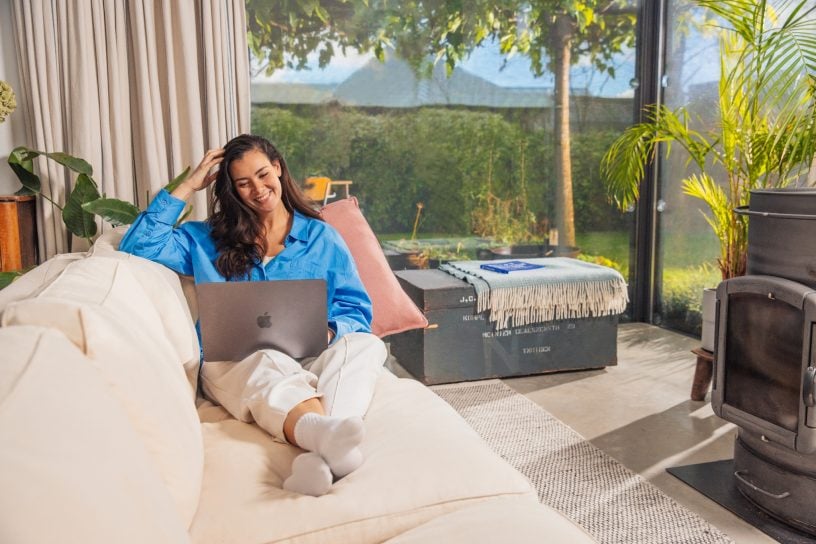
Yes, for most households, screens are enough to keep the home comfortably cool without AC. With Maximum Sunblock screens installed on the outside, you can block up to 97% of solar heat. Combine this with basic principles (keep windows closed during the day, ventilate in the evening), and your home stays comfortable, even during heatwaves.
When is AC still needed? During prolonged heatwaves (several days above 35°C) or in homes with very large south-facing glass surfaces, an additional AC unit can be useful. Even then, screens ensure the AC only has to do a fraction of the usual work.
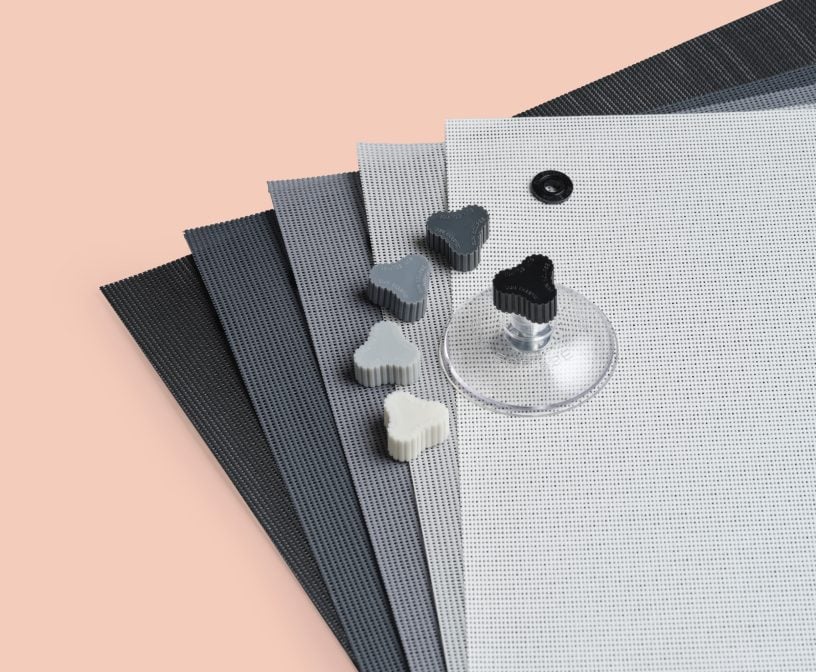
The right choice depends on your space and priorities:
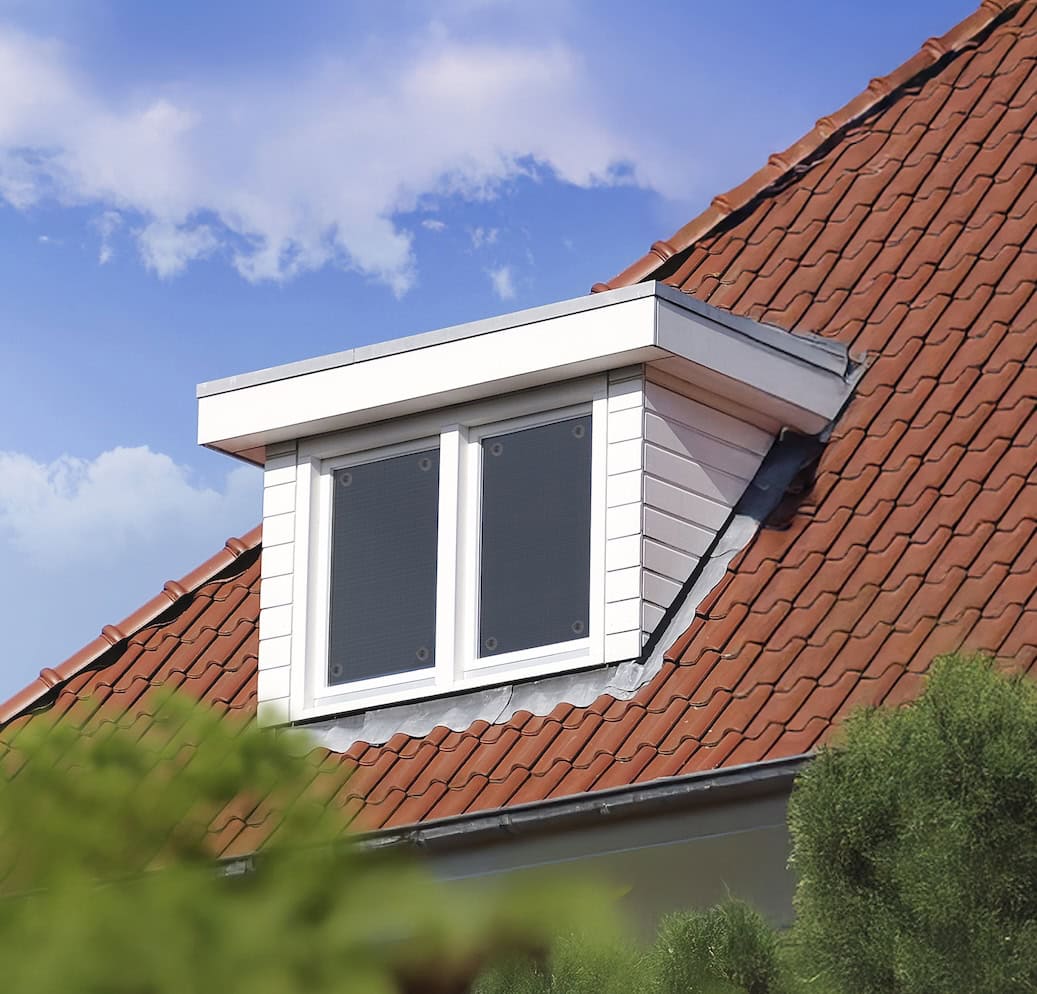
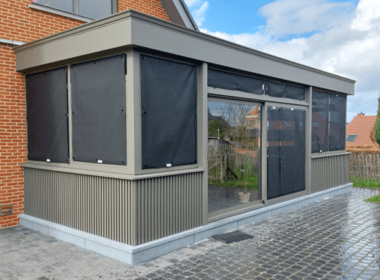
Maximum Sunblock blocks up to 97% of solar heat when installed on the outside. Choose this for bedrooms, home offices, and spaces where cooling is the priority. It also has a blackout effect, ideal for sleeping in a cool and dark room. This is the most effective alternative to AC.
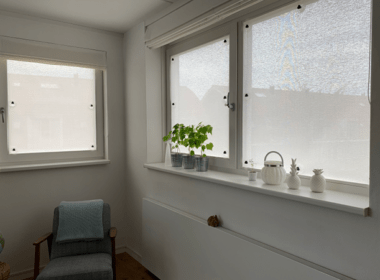
Optimal View blocks up to 85% of heat while maintaining your view to the outside. Choose this for living rooms, kitchens, and extensions where you want to enjoy natural light. You can select a different type for each room.
For outdoor installation, choose a dark color (Anthracite or Black) for the best heat reduction and visibility. For indoor installation, lighter colors (White or Boulder) are more effective, as they reflect heat.
1309 reviews in the last 12 months
97% recommends us

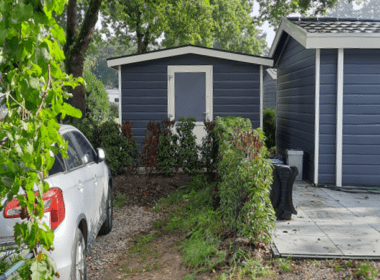
At Sun Eclipse, we continuously strive to provide our customers with the best possible support. That’s why we’ve collected and answered the most common questions in our FAQ, so you can quickly find answers to any questions you may have.
Yes. A typical portable AC unit uses around 1,000 to 1,500 watts per hour. On hot days, that adds up to 5 to 8 kWh per day, roughly €1.50 to €3 per day. Over an entire summer, this can amount to hundreds of euros.
By installing screens, you can significantly reduce your AC usage.
In most cases, yes. Screens can block up to 97% of heat, preventing your home from heating up in the first place. As a result, an AC is only needed on extremely hot days.
Many households get through the entire summer comfortably without using an AC, thanks to screens.
Absolutely, in fact, it’s the smartest approach. Screens keep most of the heat out, so your AC doesn’t have to work as hard.
You can easily save up to €135 per year on energy costs.
Energy-saving sun shading is designed to specifically block heat. Maximum Sunblock screens can keep up to 97% of solar heat out.
Because you rely less on air conditioning or fans, you save directly on your energy bill.
Screens are significantly cheaper. A portable AC costs around €200 to €600, plus €150 to €400 per year in electricity.
Suction cup sun shading is 10 to 15 times cheaper than electric screens, uses no electricity, and lasts for years.
A single split AC typically costs between €800 and €1,300, depending on the brand, type, and capacity. Including installation, a split AC usually ranges from €1,800 to €3,300.
Install sun shading screens on windows exposed to direct sunlight, keep windows and doors closed during the day, and ventilate when it’s cooler outside than inside (usually in the evening and at night).
With screens, you can block up to 97% of heat, keeping your home comfortable throughout the day.